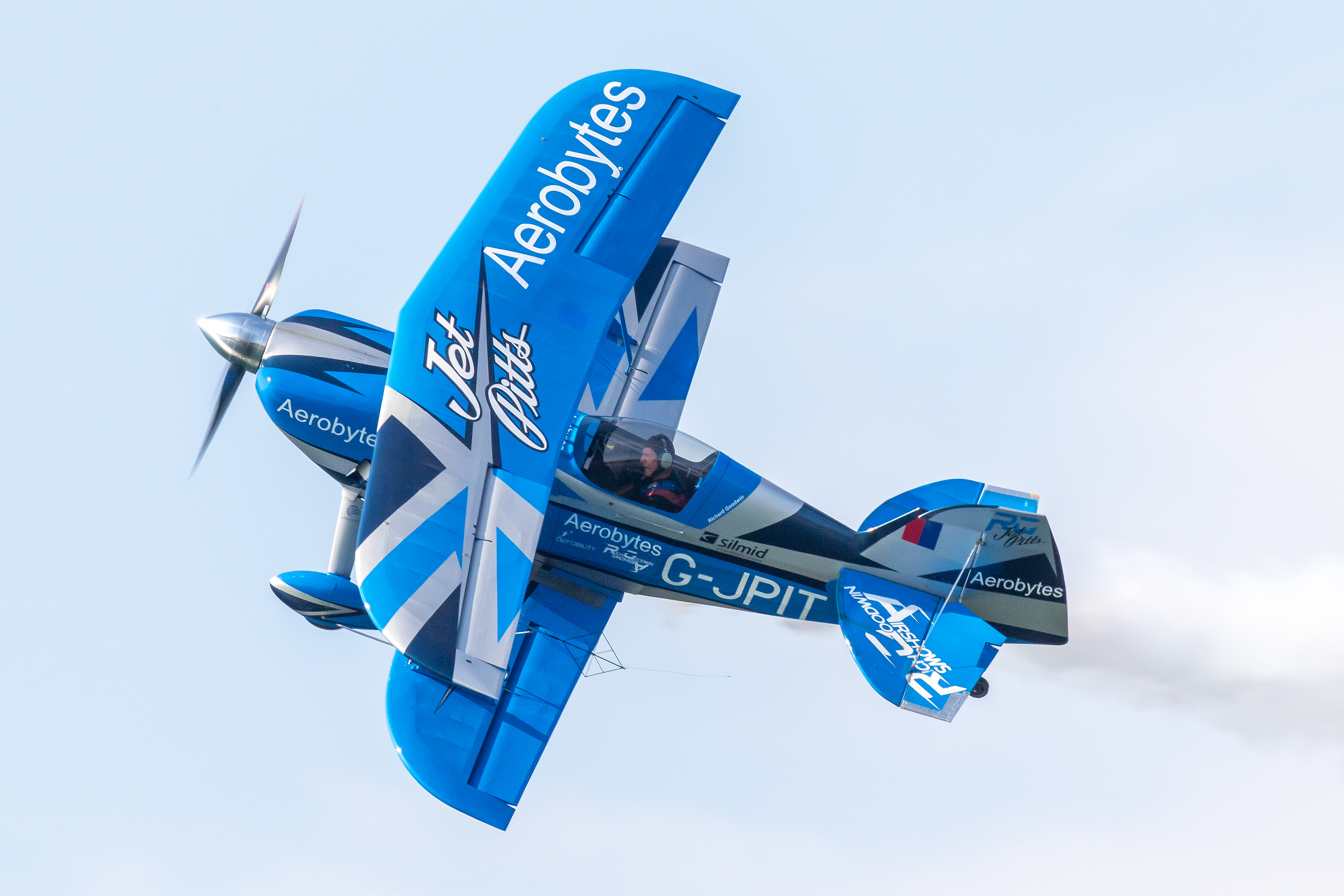
The realm of aviation is adorned with numerous legends that have left an indelible mark on history. Among these, the Hallmark Legends in Flight stand out, epitomizing the spirit of innovation, courage, and the relentless pursuit of excellence in aviation. This study report delves into the lives and contributions of these remarkable individuals, exploring their impact on the aviation industry and the legacy they have left behind.
1. Introduction
Aviation has always been a field that inspires awe and admiration, with pioneers and legends shaping its evolution. The Hallmark Legends in Flight represent those individuals whose contributions have not only advanced technology but also transformed the way we perceive flight. This report aims to highlight key figures in aviation history, their achievements, and the significance of their legacies.
2. The Pioneers of Flight
The journey of aviation began with the Wright brothers, Orville and Wilbur Wright, who are often credited with inventing the first successful airplane. In 1903, their powered flight at Kitty Hawk, North Carolina, marked a pivotal moment in history. The Wright brothers’ meticulous approach to aerodynamics and their innovative spirit laid the groundwork for future advancements in aviation.
Another notable figure is Amelia Earhart, the first female aviator to fly solo across the Atlantic Ocean. Her daring spirit and commitment to breaking gender barriers in aviation inspired countless women to pursue careers in aviation and beyond. Earhart’s mysterious disappearance during her attempt to circumnavigate the globe only added to her legend, cementing her status as an icon of courage and adventure.
3. The Golden Age of Aviation
The 1920s to the 1940s is often referred to as the Golden Age of Aviation, a period marked by rapid advancements in technology and a surge of interest in air travel. During this time, Charles Lindbergh emerged as a legendary figure after completing the first solo nonstop transatlantic flight in 1927. His flight aboard the Spirit of St. Louis captivated the world and demonstrated the potential of aviation for long-distance travel.
In addition to Lindbergh, Howard Hughes made significant contributions to aviation as an industrialist, aviator, and filmmaker. Hughes set multiple airspeed records and was instrumental in developing innovative aircraft designs. His legacy extends beyond aviation, as he became a symbol of the American entrepreneurial spirit.
4. Military Aviation Legends
Military aviation has also produced its own legends, with figures like Chuck Yeager standing out for their extraordinary achievements. Yeager became the first person to break the sound barrier in 1947, flying the Bell X-1 rocket plane. His accomplishments not only advanced military aviation technology but also paved the way for future supersonic flight.
Another significant figure is John Glenn, who became the first American to orbit the Earth in 1962. Glenn’s contributions to both military and civilian aviation, as well as his later career as a U.S. senator, exemplify the multifaceted impact of aviation legends on society. His legacy continues to inspire generations of aviators and space enthusiasts alike.
5. Innovations in Commercial Aviation
As aviation technology progressed, so did the legends associated with commercial flight. One such figure is Sir Freddie Laker, who revolutionized the airline industry with the introduction of low-cost transatlantic flights in the 1970s. His pioneering efforts made international travel accessible to millions and set the stage for the modern low-cost airline model.
Similarly, Herb Kelleher, co-founder of Southwest Airlines, transformed the airline industry through his innovative business practices and emphasis on customer service. Kelleher’s approach to corporate culture and employee satisfaction has become a benchmark for businesses worldwide, demonstrating that success in aviation is not solely about technology but also about people.
6. The Role of Women in Aviation
While many legends in aviation are male, numerous women have made significant contributions to the field. In addition to Amelia Earhart, figures like Bessie Coleman, the first African American woman to hold a pilot’s license, and Jacqueline Cochran, a leading aviator during World War II, have played crucial roles in advancing women’s representation in aviation.
Bessie Coleman’s determination to become a pilot in the early 20th century, despite facing racial and gender discrimination, paved the way for future generations of female aviators. Similarly, Jacqueline Cochran’s leadership in the Women Airforce Service Pilots (WASP) during WWII showcased the capabilities of women in aviation, challenging societal norms and expectations.
7. The Future of Aviation Legends
As we look to the future, the legacy of these Hallmark Legends in Flight continues to inspire new generations of aviators and innovators. The aviation industry is on the brink of a new era marked by advancements in technology, sustainability, and space exploration. Figures like Elon Musk and Jeff Bezos, who are pushing the boundaries of commercial space travel, are poised to become the next legends in aviation history.
Moreover, the increasing emphasis on diversity and inclusion in the aviation industry is likely to give rise to new legends who will continue to break barriers and redefine what is possible in flight. As we celebrate the achievements of past legends, it is essential to recognize and support the emerging voices in aviation.
8. Conclusion
The Hallmark Legends in Flight have played a pivotal role in shaping the aviation industry and inspiring countless individuals to pursue their dreams of flight. From the pioneering efforts of the Wright brothers to the groundbreaking achievements of modern aviators, these legends have demonstrated the power of innovation, courage, and determination. Their legacies serve as a testament to the enduring spirit of aviation and the limitless possibilities that lie ahead. As we honor their contributions, we must also look forward to the future, where new legends will undoubtedly emerge to continue the journey of flight.
In conclusion, the study of Hallmark Legends in Flight not only celebrates the achievements of these remarkable individuals but also serves as a reminder of the transformative power of aviation. Their stories inspire us to dream big, challenge the status quo, and strive for excellence in all our endeavors. The sky is not the limit; it is merely the beginning of a journey that continues to unfold with each new generation of aviators.